
How to Plan a Successful Retail Rollout Without Blowing the Deadline

Retail rollout planning often looks straightforward at the beginning of a project.

The artwork is approved, the campaign has been signed off, and the launch date is locked in. But as production begins and multiple suppliers, locations, and deadlines come into play, many businesses discover that the real challenge is not the creative concept — it’s the execution.

Successful retail rollouts are built on planning, coordination, and logistics. Without them, even the strongest campaign can struggle to launch on time.

Why Retail Rollout Planning Often Goes Wrong

One of the biggest misconceptions about retail rollout planning is that production starts once the artwork is approved.

In reality, approval is only the beginning.

Production schedules, freight bookings, site requirements, installation timelines, and packing accuracy all need to align to support a successful launch.

The most common rollout challenges include:

  • Delayed artwork approvals
  • Inconsistent production across locations
  • Freight disruptions
  • Missing assets or site information
  • Installation scheduling conflicts
  • Last-minute campaign changes

Small issues can quickly create a domino effect that impacts multiple sites and deadlines.
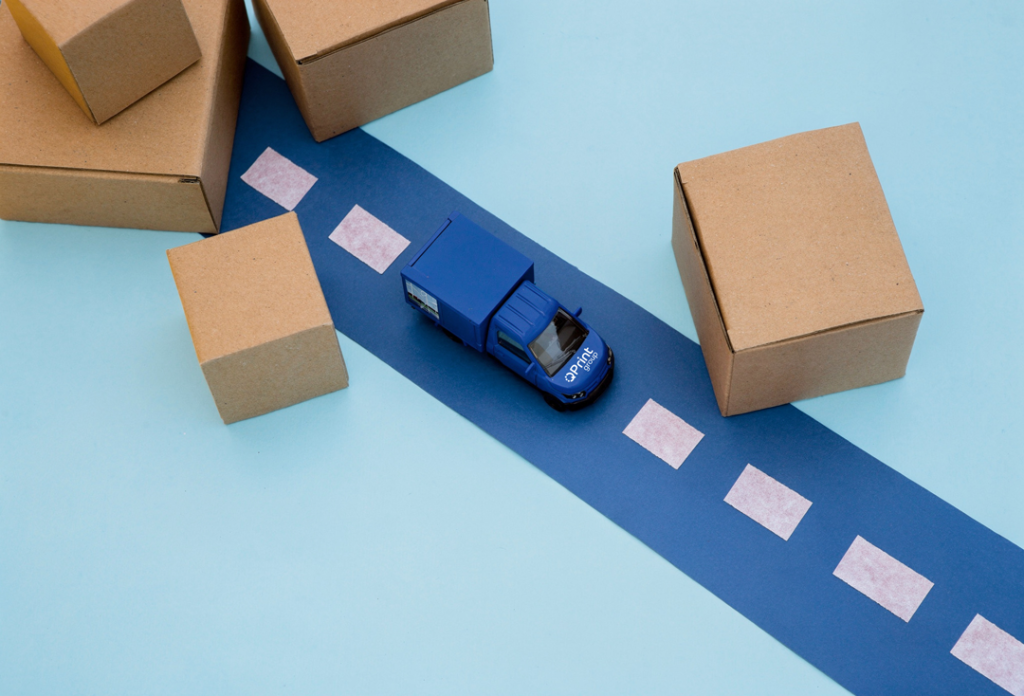
Retail packs ready to be delivered across multiple locations.

Start With the Launch Date and Work Backwards

Experienced marketing and operations teams understand that the launch date is not a target.

It’s a fixed deadline.

Effective retail rollout planning starts by working backwards from installation day and allowing sufficient time for:

  • Artwork approvals
  • Production
  • Quality control
  • Packing and dispatch
  • Freight delivery
  • Site preparation
  • Installation

Building contingency time into every stage helps reduce risk and prevents unnecessary pressure as launch day approaches.

How Complexity Increases Across Multiple Locations

C

A rollout across one location is relatively simple.

A rollout across ten, twenty, or fifty locations becomes a logistics project.

As the number of sites grows, so does the importance of:

  • Version control
  • Asset tracking
  • Labelling systems
  • Warehousing
  • Freight sequencing
  • Installation coordination

Without a structured process, small inconsistencies can become costly mistakes across multiple locations.

This is where strong retail rollout planning becomes essential.

Why Centralised Communication Matters

Many rollout challenges stem from communication gaps rather than production issues.

When designers, suppliers, installers, and internal stakeholders operate independently, information can become fragmented.

Centralising communication helps businesses:

  • Improve visibility across the project
  • Reduce duplication and confusion
  • Resolve issues faster
  • Maintain consistency across locations
  • Keep timelines on track

The more stakeholders involved, the more important this becomes.

Treat Rollouts Like Logistics Projects

Many businesses still view rollouts primarily as print projects.

The reality is that they are logistics projects supported by print.

Signage, POS displays, promotional materials, wall graphics, uniforms, installation kits, and campaign assets all need to arrive at the right place, at the right time, and in the right format.

Customers never see the coordination happening behind the scenes.

They only experience the final environment.

When execution feels seamless, the brand feels stronger.

Building Flexibility Into Your Rollout Plan

No rollout ever goes exactly to plan.

Artwork changes. Freight gets delayed. Installations need to be rescheduled. Site conditions change.

Successful rollout teams expect these challenges and build flexibility into the process from the beginning.

Contingency planning often makes the difference between a stressful launch and a successful one.
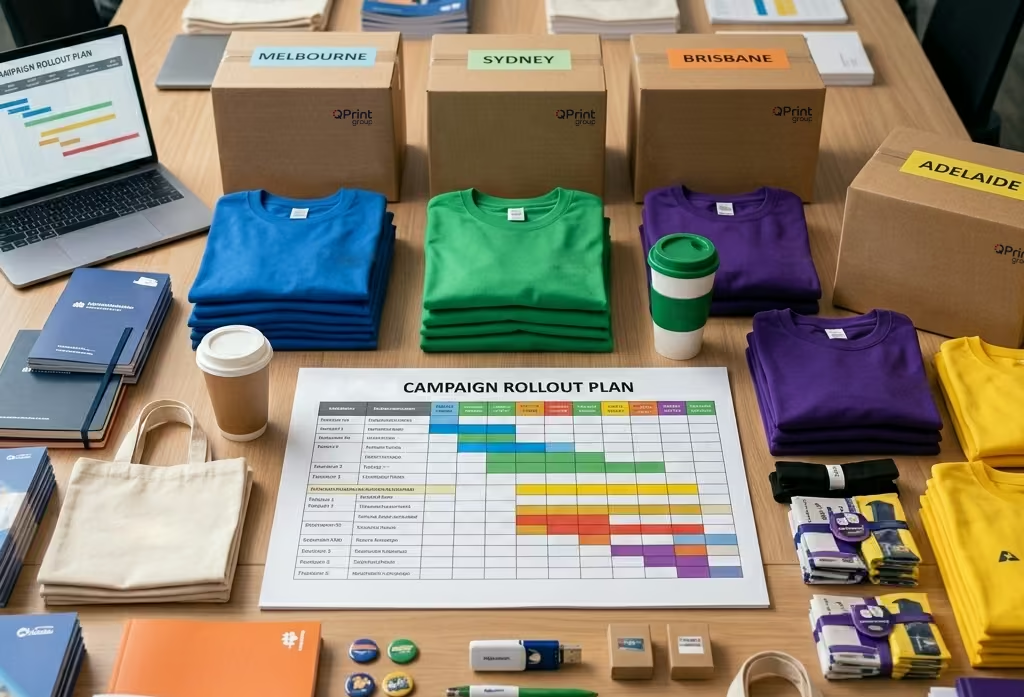
Installation kits prepared for a multi-location retail rollout

Final Thoughts

Effective retail rollout planning is about more than producing campaign materials.

It’s about coordinating people, products, timelines, logistics, and installations to create a consistent brand experience across every location.

As campaigns become larger and more complex, businesses increasingly need partners who understand execution, logistics, and operational delivery — not just production.

Because customers don’t remember the deadline.

They remember the experience.

Planning a retail rollout, venue activation or multi-location campaign?

Q Print Group helps businesses across Australia coordinate campaign production, signage, logistics, warehousing, distribution and installation to keep projects moving from concept to launch. Contact our team to discuss your next rollout.
Related Articles

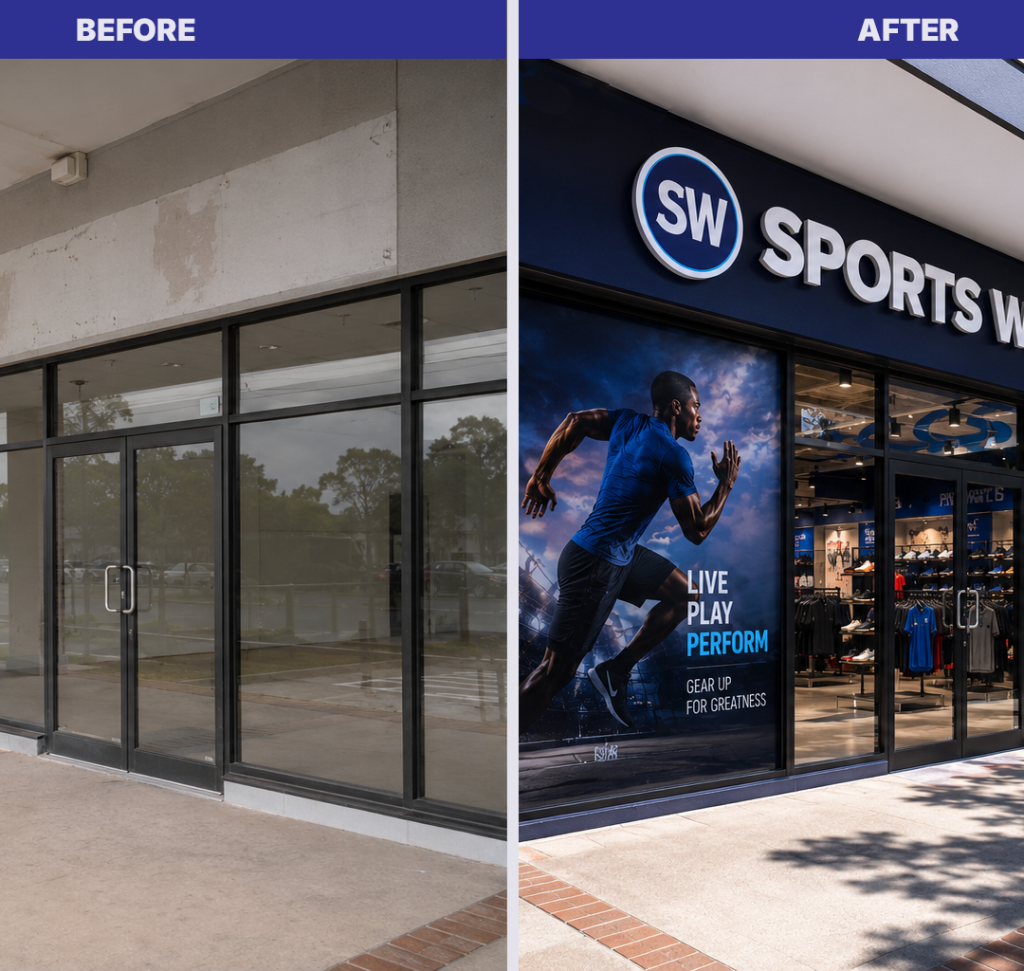
Before and after roll out

Brand Rollout Guide: Multi-Site Campaign Execution

A brand rollout is more than a new logo. See how signage, print, logistics and installation come together for a consistent multi-site launch.

Learn More

Nation wide delivery

Warehousing and Distribution in Successful Marketing Campaigns

Managing a national marketing campaign takes more than great creative. Discover how warehousing and distribution improve logistics, reduce delays and keep every location on brand.

Learn More

Merch tote bag

Promotional Merchandise That People Actually Keep

Not all promotional merchandise delivers results. Discover how choosing practical, high-quality branded products can increase brand awareness and create lasting customer impressions.

Learn More

How to Plan a Successful Retail Rollout Without Blowing the Deadline

Retail rollout planning often looks straightforward at the beginning of a project.

The artwork is approved, the campaign has been signed off, and the launch date is locked in. But as production begins and multiple suppliers, locations, and deadlines come into play, many businesses discover that the real challenge is not the creative concept — it’s the execution.

Successful retail rollouts are built on planning, coordination, and logistics. Without them, even the strongest campaign can struggle to launch on time.

Why Retail Rollout Planning Often Goes Wrong

One of the biggest misconceptions about retail rollout planning is that production starts once the artwork is approved.

In reality, approval is only the beginning.

Production schedules, freight bookings, site requirements, installation timelines, and packing accuracy all need to align to support a successful launch.

The most common rollout challenges include:

  • Delayed artwork approvals
  • Inconsistent production across locations
  • Freight disruptions
  • Missing assets or site information
  • Installation scheduling conflicts
  • Last-minute campaign changes

Small issues can quickly create a domino effect that impacts multiple sites and deadlines.

Retail packs ready to be delivered across multiple locations.

Start With the Launch Date and Work Backwards

Experienced marketing and operations teams understand that the launch date is not a target.

It’s a fixed deadline.

Effective retail rollout planning starts by working backwards from installation day and allowing sufficient time for:

  • Artwork approvals
  • Production
  • Quality control
  • Packing and dispatch
  • Freight delivery
  • Site preparation
  • Installation

Building contingency time into every stage helps reduce risk and prevents unnecessary pressure as launch day approaches.

How Complexity Increases Across Multiple Locations

C

A rollout across one location is relatively simple.

A rollout across ten, twenty, or fifty locations becomes a logistics project.

As the number of sites grows, so does the importance of:

  • Version control
  • Asset tracking
  • Labelling systems
  • Warehousing
  • Freight sequencing
  • Installation coordination

Without a structured process, small inconsistencies can become costly mistakes across multiple locations.

This is where strong retail rollout planning becomes essential.

Why Centralised Communication Matters

Many rollout challenges stem from communication gaps rather than production issues.

When designers, suppliers, installers, and internal stakeholders operate independently, information can become fragmented.

Centralising communication helps businesses:

  • Improve visibility across the project
  • Reduce duplication and confusion
  • Resolve issues faster
  • Maintain consistency across locations
  • Keep timelines on track

The more stakeholders involved, the more important this becomes.

Treat Rollouts Like Logistics Projects

Many businesses still view rollouts primarily as print projects.

The reality is that they are logistics projects supported by print.

Signage, POS displays, promotional materials, wall graphics, uniforms, installation kits, and campaign assets all need to arrive at the right place, at the right time, and in the right format.

Customers never see the coordination happening behind the scenes.

They only experience the final environment.

When execution feels seamless, the brand feels stronger.

Building Flexibility Into Your Rollout Plan

No rollout ever goes exactly to plan.

Artwork changes. Freight gets delayed. Installations need to be rescheduled. Site conditions change.

Successful rollout teams expect these challenges and build flexibility into the process from the beginning.

Contingency planning often makes the difference between a stressful launch and a successful one.

Installation kits prepared for a multi-location retail rollout

Final Thoughts

Effective retail rollout planning is about more than producing campaign materials.

It’s about coordinating people, products, timelines, logistics, and installations to create a consistent brand experience across every location.

As campaigns become larger and more complex, businesses increasingly need partners who understand execution, logistics, and operational delivery — not just production.

Because customers don’t remember the deadline.

They remember the experience.

Planning a retail rollout, venue activation or multi-location campaign?

Q Print Group helps businesses across Australia coordinate campaign production, signage, logistics, warehousing, distribution and installation to keep projects moving from concept to launch. Contact our team to discuss your next rollout.

Related Articles