
Brand Rollout Guide: Multi-Site Campaign Execution

A New Logo Is Only the Beginning

Rebranding is one of the most exciting milestones a business can go through: a new logo, updated colours, a refreshed visual identity, a new website.

But once the creative work is done, the real challenge begins: how do you deliver a consistent brand rollout across every customer touchpoint, from one site to fifty?

For businesses with multiple locations, vehicles, uniforms, signage, printed materials and promotional assets, updating a brand isn’t a single project — it’s a coordinated operation. That’s what a brand rollout is all about.
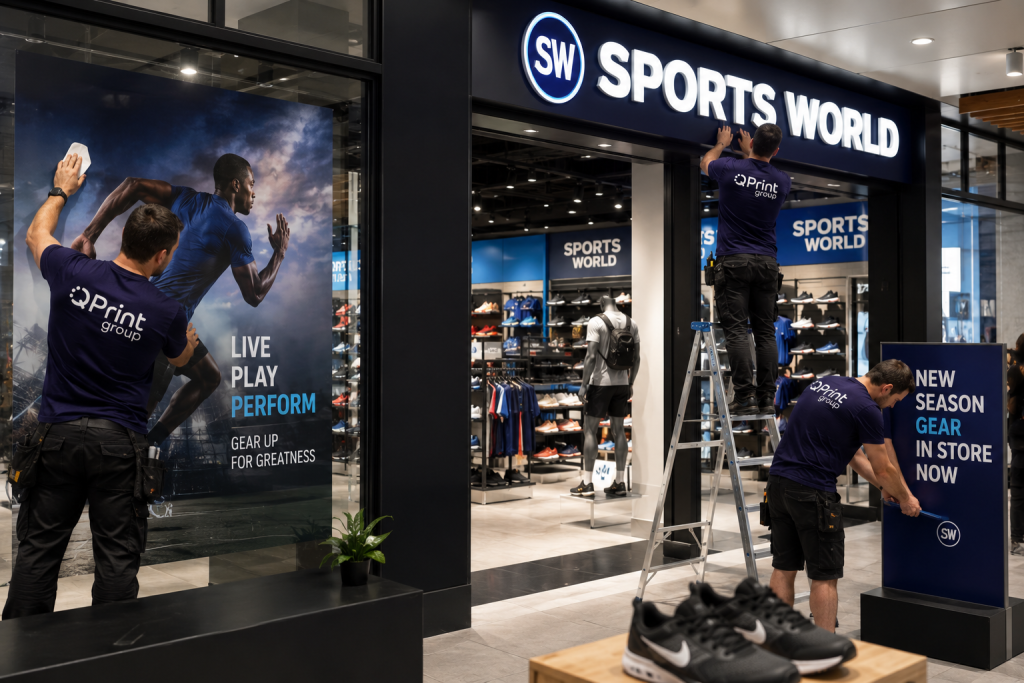
Installation roll out

What Is a Brand Rollout?

A brand rollout is the process of implementing a new or updated brand across every physical and digital customer touchpoint. Rather than updating one item at a time, businesses plan and coordinate the transition so customers experience the new brand consistently — no matter which location, vehicle or channel they encounter it on.

A multi-site brand rollout can include:

  • Storefront signage
  • Internal signage
  • Window graphics
  • Vehicle graphics
  • Point-of-sale displays
  • Printed marketing materials
  • Promotional merchandise
  • Uniforms
  • Packaging
  • Office branding
  • Event materials
  • Digital assets

The goal is simple: create one consistent brand experience, regardless of where customers interact with your business.

Why Brand Rollouts Matter

Customers notice consistency. They also notice inconsistency.

Imagine visiting two stores from the same company. One has the new branding. The other still displays the old logo. One employee wears updated uniforms. Another is using outdated promotional materials.

These inconsistencies can reduce confidence in the brand and make a business appear disorganised. A successful brand rollout ensures every location tells the same story.
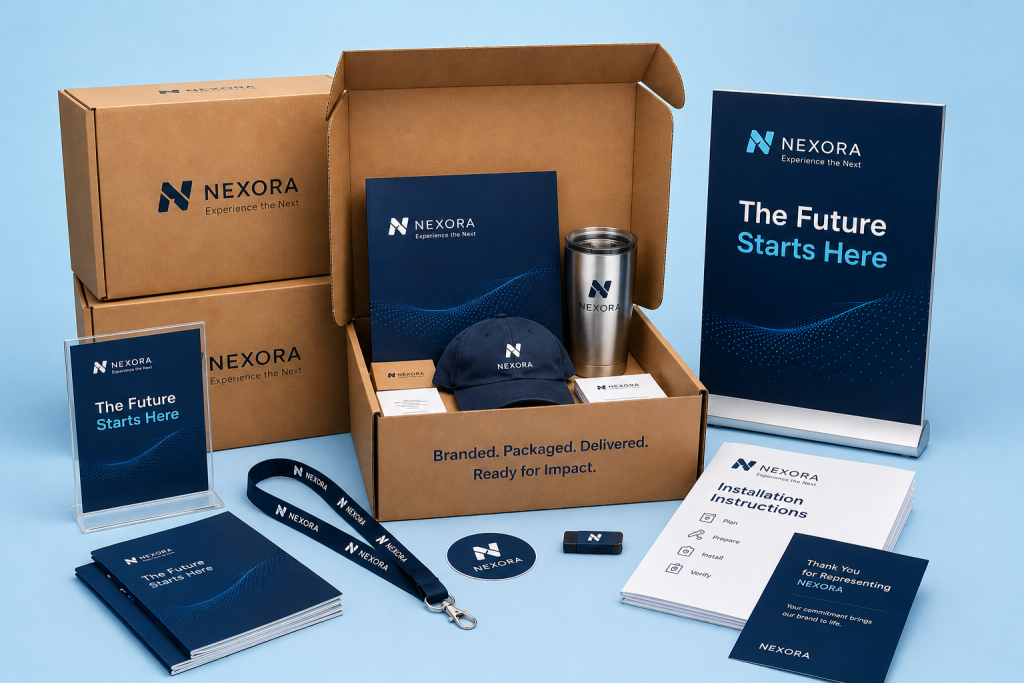
Merchandising roll out

When Do Businesses Need a Brand Rollout?

Brand rollouts aren’t limited to complete rebrands. They’re often required when businesses:

  • Open new locations
  • Acquire another business
  • Refresh their visual identity
  • Launch a national campaign
  • Update store formats
  • Introduce new products
  • Expand into new markets

Even relatively small brand updates can involve dozens of physical assets across multiple sites, which is why planning matters as much as design.
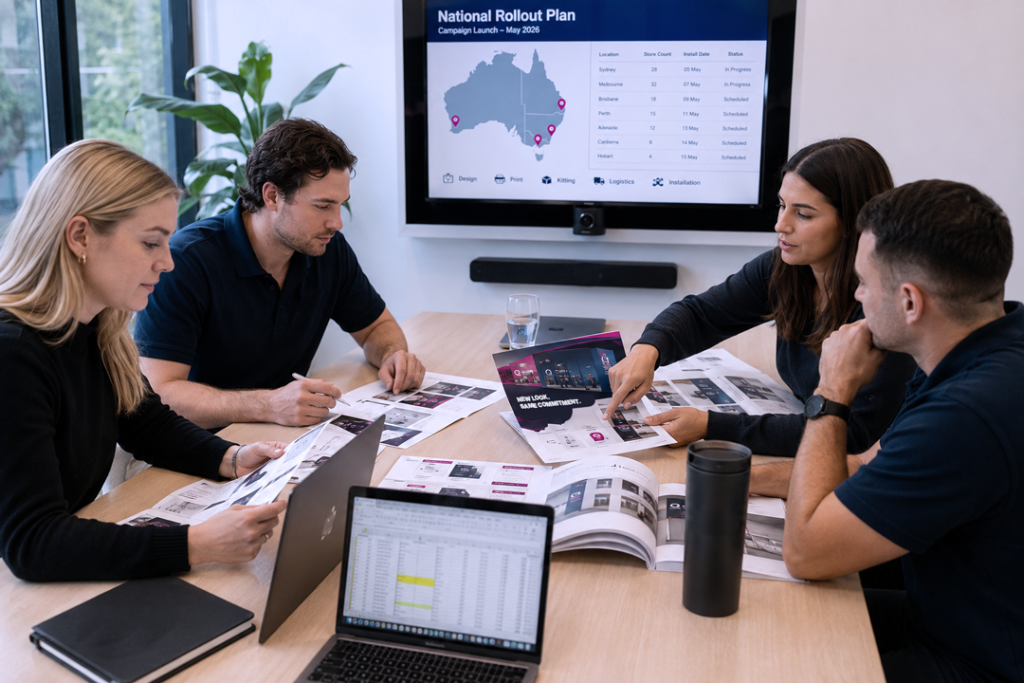
Planning a roll out

What Makes a Brand Rollout Successful?

Careful Planning

The most successful rollouts begin long before production starts. Businesses first identify:

  • Every branded asset
  • Every location
  • Installation requirements
  • Delivery schedules
  • Campaign deadlines

Planning reduces surprises later, especially when a rollout spans multiple states or dozens of sites.

Consistent Production

Producing all campaign assets through a coordinated process helps ensure:

  • Consistent colours
  • Matching materials
  • Approved artwork
  • Uniform branding across every location

Consistency is one of the biggest drivers of a successful rollout, and one of the easiest things to lose when work is split across several suppliers.

Logistics and Distribution

Once materials are produced, they still need to reach every location. Campaign kits often contain:

  • Signage
  • POS displays
  • Marketing collateral
  • Promotional merchandise
  • Installation guides

Organised warehousing and distribution help ensure every site receives the correct materials at the right time, a critical step for national or multi-site rollout logistics.

Professional Installation

Some assets require specialist installation, including:

  • Window graphics
  • Wall graphics
  • Building signage
  • Directional signage
  • Retail displays

Professional installation helps ensure the finished result reflects the quality of the brand, rather than undoing the consistency built into the design and production stages.
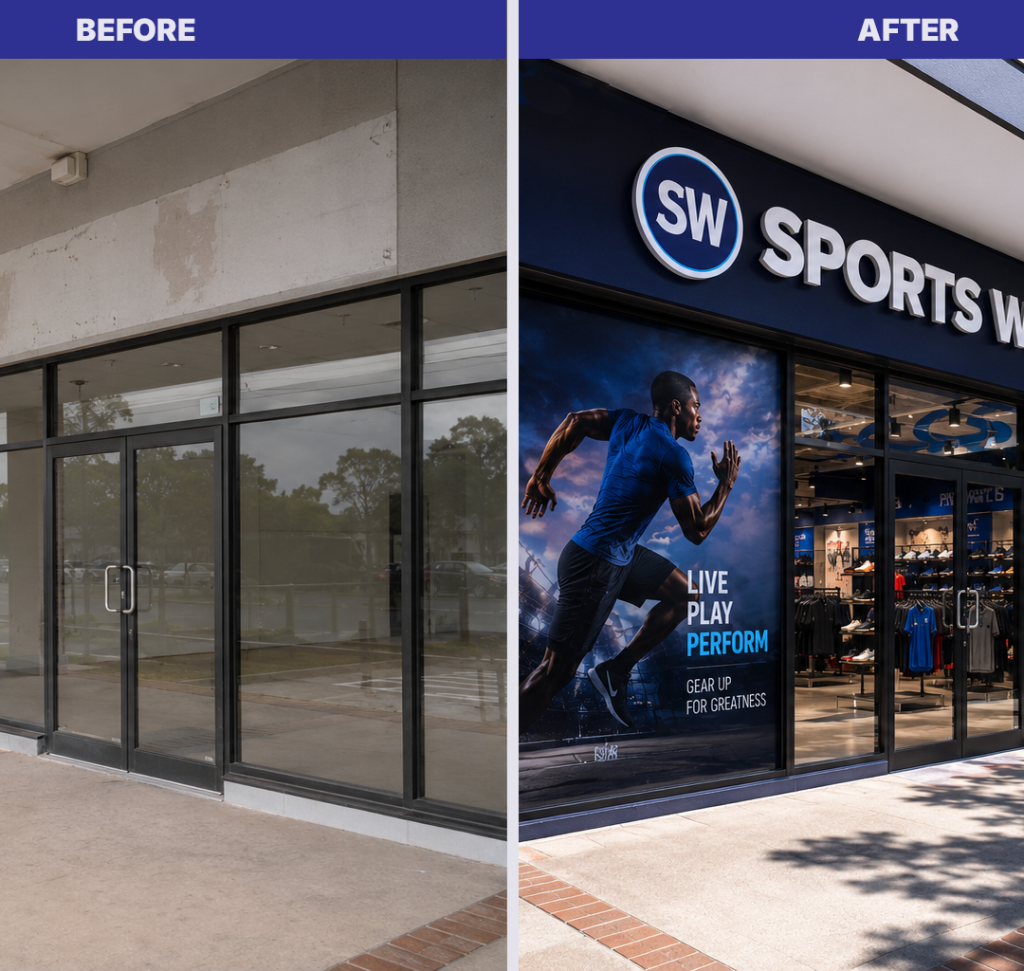
Before and after roll out

Common Brand Rollout Challenges

Even well-planned projects can encounter challenges. Common issues include:

  • Delayed approvals
  • Incorrect artwork versions
  • Missing campaign assets
  • Freight delays
  • Inconsistent signage
  • Installation scheduling conflicts

Working with a partner who manages production, logistics and installation together helps reduce these risks.

Why Businesses Choose a Single Rollout Partner

Managing multiple suppliers can quickly become complicated. Different production timelines. Different quality standards. Different delivery schedules.

Many businesses simplify the process by partnering with one provider capable of coordinating every stage, from production and warehousing to distribution and installation. This creates better visibility, clearer communication and more consistent outcomes across every site in the rollout.

Frequently Asked Questions

What is included in a brand rollout? A brand rollout typically covers every physical and digital touchpoint a customer might see — storefront and internal signage, window and vehicle graphics, point-of-sale displays, printed materials, packaging, uniforms, and office or event branding.

How long does a brand rollout take? Timelines vary by scale, but most rollouts follow a planning phase, a production phase, and a distribution and installation phase. Businesses with multiple sites should plan for production and freight lead times well ahead of any public launch date.

Why use one supplier for a brand rollout instead of several? A single rollout partner can coordinate production, warehousing, distribution and installation under one timeline and one quality standard, reducing the risk of mismatched materials, delayed shipments or inconsistent signage between locations.

What causes brand rollouts to go wrong? The most common issues are delayed artwork approvals, incorrect file versions reaching production, freight delays, and installation scheduling conflicts across multiple sites.

Final Thoughts

A successful brand rollout is about much more than replacing a logo. It’s about delivering a consistent customer experience across every location and every interaction.

When production, logistics and installation work together, businesses can launch new branding with confidence and minimise disruption. Because customers don’t experience your brand one asset at a time — they experience it as a whole.

Planning a brand rollout across multiple locations?

From signage and print production to warehousing, distribution and installation, Q Print Group helps Australian businesses roll out new branding consistently, on time and on budget. Contact our team to scope your next rollout.
Related Articles

Before and after roll out

Brand Rollout Guide: Multi-Site Campaign Execution

A brand rollout is more than a new logo. See how signage, print, logistics and installation come together for a consistent multi-site launch.

Learn More

Nation wide delivery

Warehousing and Distribution in Successful Marketing Campaigns

Managing a national marketing campaign takes more than great creative. Discover how warehousing and distribution improve logistics, reduce delays and keep every location on brand.

Learn More

Merch tote bag

Promotional Merchandise That People Actually Keep

Not all promotional merchandise delivers results. Discover how choosing practical, high-quality branded products can increase brand awareness and create lasting customer impressions.

Learn More

Brand Rollout Guide: Multi-Site Campaign Execution

A New Logo Is Only the Beginning

Rebranding is one of the most exciting milestones a business can go through: a new logo, updated colours, a refreshed visual identity, a new website.

But once the creative work is done, the real challenge begins: how do you deliver a consistent brand rollout across every customer touchpoint, from one site to fifty?

For businesses with multiple locations, vehicles, uniforms, signage, printed materials and promotional assets, updating a brand isn’t a single project — it’s a coordinated operation. That’s what a brand rollout is all about.

Installation roll out

What Is a Brand Rollout?

A brand rollout is the process of implementing a new or updated brand across every physical and digital customer touchpoint. Rather than updating one item at a time, businesses plan and coordinate the transition so customers experience the new brand consistently — no matter which location, vehicle or channel they encounter it on.

A multi-site brand rollout can include:

  • Storefront signage
  • Internal signage
  • Window graphics
  • Vehicle graphics
  • Point-of-sale displays
  • Printed marketing materials
  • Promotional merchandise
  • Uniforms
  • Packaging
  • Office branding
  • Event materials
  • Digital assets

The goal is simple: create one consistent brand experience, regardless of where customers interact with your business.

Why Brand Rollouts Matter

Customers notice consistency. They also notice inconsistency.

Imagine visiting two stores from the same company. One has the new branding. The other still displays the old logo. One employee wears updated uniforms. Another is using outdated promotional materials.

These inconsistencies can reduce confidence in the brand and make a business appear disorganised. A successful brand rollout ensures every location tells the same story.

Merchandising roll out

When Do Businesses Need a Brand Rollout?

Brand rollouts aren’t limited to complete rebrands. They’re often required when businesses:

  • Open new locations
  • Acquire another business
  • Refresh their visual identity
  • Launch a national campaign
  • Update store formats
  • Introduce new products
  • Expand into new markets

Even relatively small brand updates can involve dozens of physical assets across multiple sites, which is why planning matters as much as design.

Planning a roll out

What Makes a Brand Rollout Successful?

Careful Planning

The most successful rollouts begin long before production starts. Businesses first identify:

  • Every branded asset
  • Every location
  • Installation requirements
  • Delivery schedules
  • Campaign deadlines

Planning reduces surprises later, especially when a rollout spans multiple states or dozens of sites.

Consistent Production

Producing all campaign assets through a coordinated process helps ensure:

  • Consistent colours
  • Matching materials
  • Approved artwork
  • Uniform branding across every location

Consistency is one of the biggest drivers of a successful rollout, and one of the easiest things to lose when work is split across several suppliers.

Logistics and Distribution

Once materials are produced, they still need to reach every location. Campaign kits often contain:

  • Signage
  • POS displays
  • Marketing collateral
  • Promotional merchandise
  • Installation guides

Organised warehousing and distribution help ensure every site receives the correct materials at the right time, a critical step for national or multi-site rollout logistics.

Professional Installation

Some assets require specialist installation, including:

  • Window graphics
  • Wall graphics
  • Building signage
  • Directional signage
  • Retail displays

Professional installation helps ensure the finished result reflects the quality of the brand, rather than undoing the consistency built into the design and production stages.

Before and after roll out

Common Brand Rollout Challenges

Even well-planned projects can encounter challenges. Common issues include:

  • Delayed approvals
  • Incorrect artwork versions
  • Missing campaign assets
  • Freight delays
  • Inconsistent signage
  • Installation scheduling conflicts

Working with a partner who manages production, logistics and installation together helps reduce these risks.

Why Businesses Choose a Single Rollout Partner

Managing multiple suppliers can quickly become complicated. Different production timelines. Different quality standards. Different delivery schedules.

Many businesses simplify the process by partnering with one provider capable of coordinating every stage, from production and warehousing to distribution and installation. This creates better visibility, clearer communication and more consistent outcomes across every site in the rollout.

Frequently Asked Questions

What is included in a brand rollout? A brand rollout typically covers every physical and digital touchpoint a customer might see — storefront and internal signage, window and vehicle graphics, point-of-sale displays, printed materials, packaging, uniforms, and office or event branding.

How long does a brand rollout take? Timelines vary by scale, but most rollouts follow a planning phase, a production phase, and a distribution and installation phase. Businesses with multiple sites should plan for production and freight lead times well ahead of any public launch date.

Why use one supplier for a brand rollout instead of several? A single rollout partner can coordinate production, warehousing, distribution and installation under one timeline and one quality standard, reducing the risk of mismatched materials, delayed shipments or inconsistent signage between locations.

What causes brand rollouts to go wrong? The most common issues are delayed artwork approvals, incorrect file versions reaching production, freight delays, and installation scheduling conflicts across multiple sites.

Final Thoughts

A successful brand rollout is about much more than replacing a logo. It’s about delivering a consistent customer experience across every location and every interaction.

When production, logistics and installation work together, businesses can launch new branding with confidence and minimise disruption. Because customers don’t experience your brand one asset at a time — they experience it as a whole.

Planning a brand rollout across multiple locations?

From signage and print production to warehousing, distribution and installation, Q Print Group helps Australian businesses roll out new branding consistently, on time and on budget. Contact our team to scope your next rollout.

Related Articles