The Shift Away From Transactional Printing
Print marketing refers to the use of physical printed materials to promote a business, product, service or campaign.
Unlike digital marketing, which exists on screens, print marketing creates tangible brand experiences that customers can see, hold and interact with.
Common examples include:
- Business cards
- Brochures
- Flyers
- Catalogues
- Posters
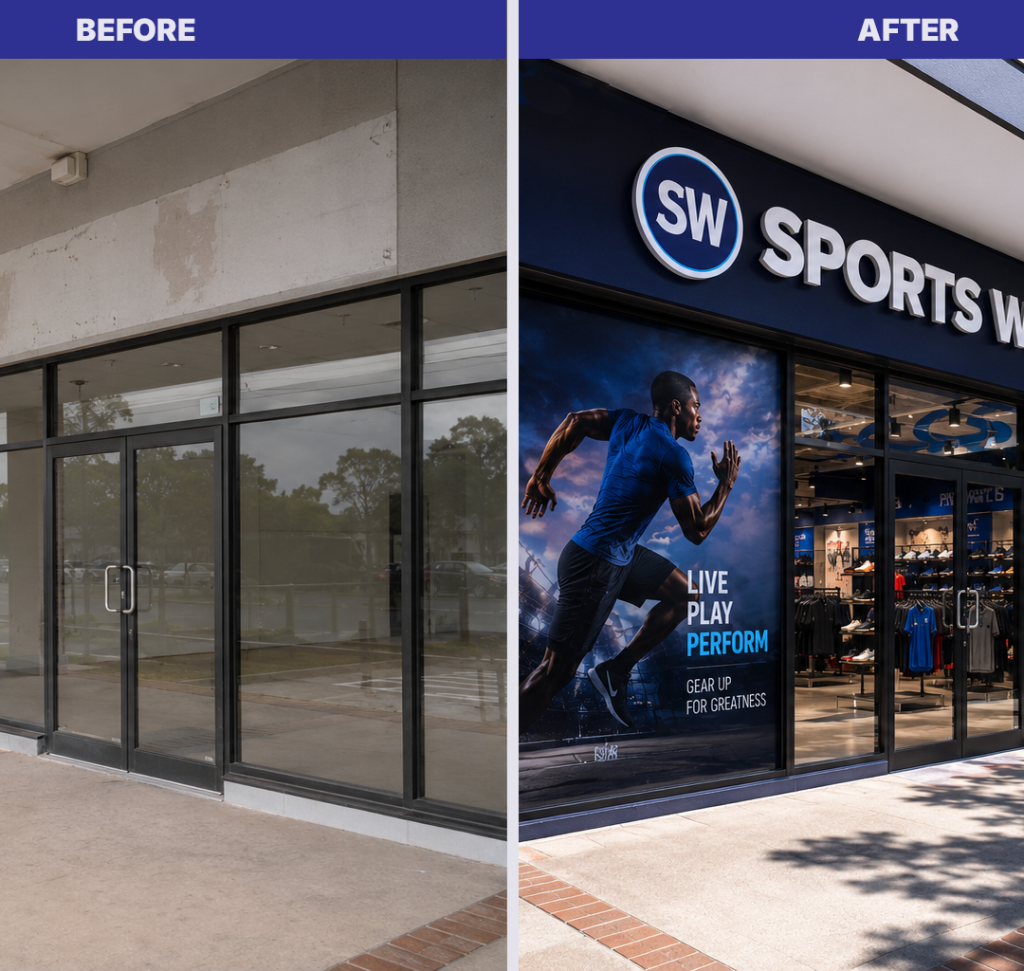
- Retail signage
- Window graphics
- Point-of-sale displays
- Product packaging
- Promotional merchandise
- Exhibition displays
- Vehicle graphics
These materials help businesses communicate their brand, attract customers and support marketing campaigns across multiple touchpoints
Print Marketing and Digital Marketing Work Together
One of the biggest misconceptions is that businesses must choose between print and digital marketing.
In reality, the strongest campaigns combine both.
A customer might:
- Discover your business through Google.
- Follow you on LinkedIn.
- Visit your website.
- Receive a printed proposal.
- Walk into your showroom.
- See your branded signage.
- Leave with promotional merchandise.
Every interaction contributes to their overall impression of your business.
Digital marketing often creates awareness.
Print marketing reinforces credibility and creates memorable experiences.
Together, they build stronger customer relationships.
The Benefits of Print Marketing
Creates Brand Recognition
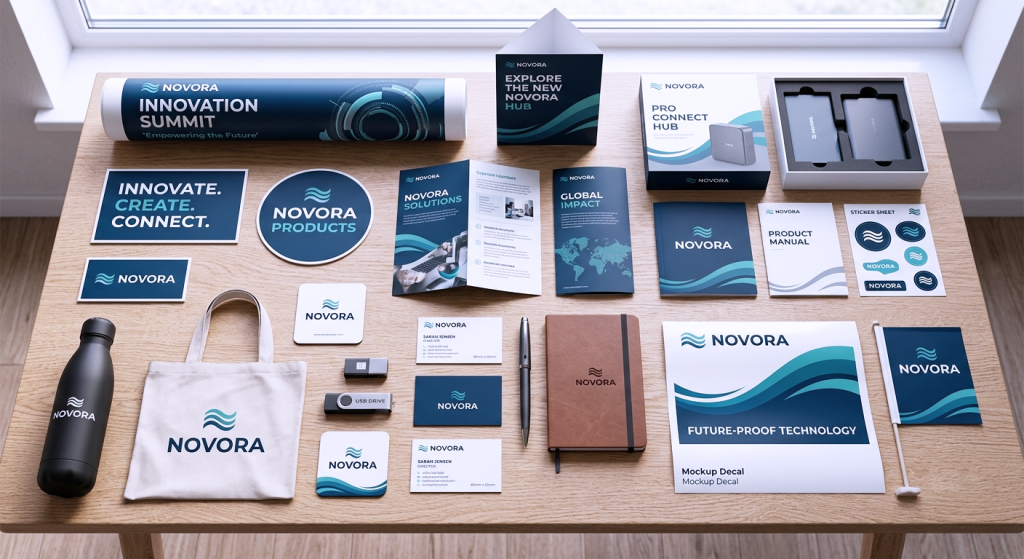
Consistent branding across printed materials helps customers recognise and remember your business.
From business cards to vehicle graphics, every physical touchpoint reinforces your visual identity.
Why Premium Brands Focus on Brand Perception
Builds Trust
High-quality printed materials often communicate professionalism and attention to detail.
Well-designed signage, presentation folders, brochures and packaging all contribute to how customers perceive your business before a conversation even begins.
Creates Memorable Experiences
People remember experiences more than advertisements.
Printed materials become part of those experiences.
Whether it’s a beautifully presented welcome pack, event signage or premium packaging, physical marketing leaves a lasting impression.
Supports Sales Conversations
Print marketing can also support face-to-face interactions.
Sales brochures, capability statements, branded presentation folders and product catalogues help businesses communicate information clearly while reinforcing their brand.
Strengthens Multi-Channel Campaigns
Print marketing becomes even more effective when integrated with digital campaigns.
Examples include:
- Event signage supporting social media campaigns.
- QR codes linking printed materials to online content.
- Packaging encouraging customers to leave reviews.
- Promotional merchandise extending campaign reach.
- Direct mail driving traffic to landing pages.
The goal isn’t to replace digital marketing.
It’s to make it stronger.
Strengthens Multi-Channel Campaigns
Print marketing becomes even more effective when integrated with digital campaigns.
Examples include:
- Event signage supporting social media campaigns.
- QR codes linking printed materials to online content.
- Packaging encouraging customers to leave reviews.
- Promotional merchandise extending campaign reach.
- Direct mail driving traffic to landing pages.
The goal isn’t to replace digital marketing.
It’s to make it stronger.
Where Businesses Use Print Marketing
Print marketing appears in almost every industry.
Retail businesses use:
- Window graphics
- Promotional displays
- Sale signage
Corporate organisations invest in:
- Presentation materials
- Office branding
- Annual reports
Hospitality venues rely on:
- Menus
- Wayfinding signage
- Promotional displays
Construction companies use:
- Site signage
- Safety signage
- Vehicle graphics
Educational institutions produce:
- Campus signage
- Event materials
- Information packs
The applications are almost endless because every customer interacts with physical spaces.

Print Marketing Is More Than Printing
Many people think print marketing simply means ordering brochures or business cards.
In reality, modern print marketing involves much more.
It includes:
- Campaign planning
- Brand consistency
- Material selection
- Production management
- Logistics
- Warehousing
- Installation
- National rollouts
The most successful businesses don’t simply purchase printed products.
They create coordinated brand experiences across every customer touchpoint.
That’s where strategic print partners add value—not just by producing materials, but by helping businesses execute campaigns consistently and efficiently.
Final Thoughts
Digital marketing continues to evolve, and businesses should absolutely embrace it.
But physical marketing remains just as relevant because customers continue to interact with brands in the real world.
Print marketing helps businesses build trust, create memorable experiences and deliver consistent branding across every customer interaction.
Rather than competing with digital marketing, print strengthens it.
Together, they create more complete and effective marketing campaigns.
Bring your next marketing campaign to life.
From print and signage to campaign execution, Q Print Group helps businesses deliver consistent brand experiences across Australia.